
Showing all 7 results
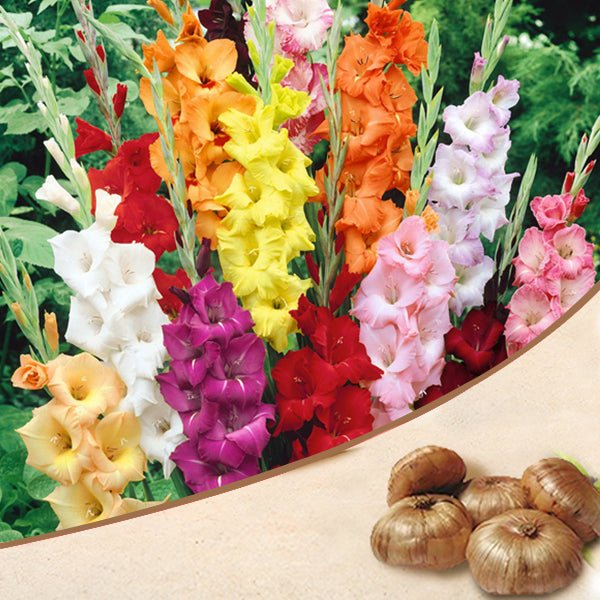
Gladiolus Flower Bulbs | Mix Colour Freshly Packed Bulbs | 5 Bulbs
Rated 0 out of 5
Microgreen seeds 12 Varieties | Non GMO Seeds with Growing Instruction| Grow Your Own Super Salad.
Rated 5.00 out of 5
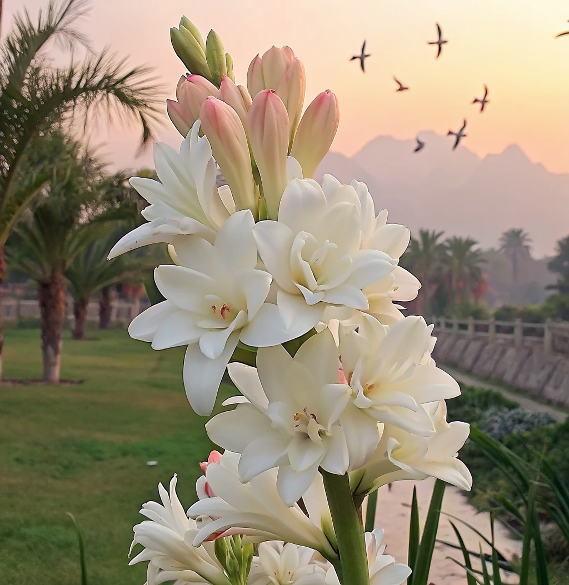
Rajnighandha/Tube Rose Healthy Fragrant Flower Bulbs (1 Pcs)
Rated 0 out of 5
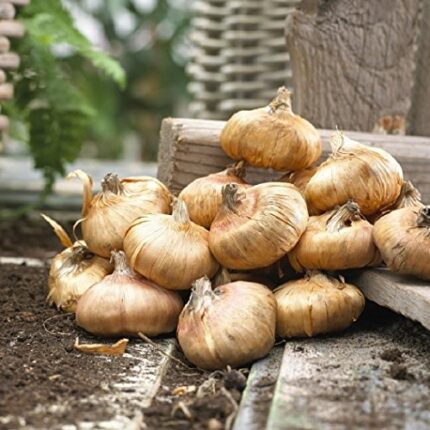
Tuberose Flower Bulb – 10 Pcs
Rated 5.00 out of 5
Tuberose Flower Bulb – 1Pcs
Rated 0 out of 5
Tuberose Flower Bulb – 1Pcs (Copy)
Rated 0 out of 5
In India,
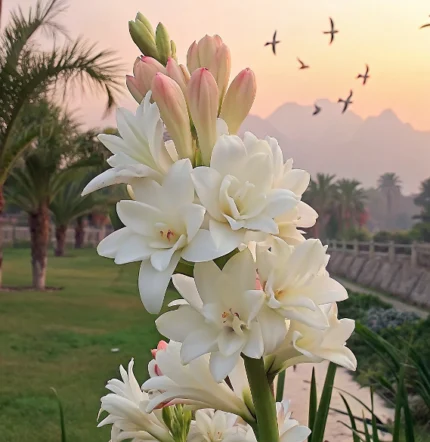
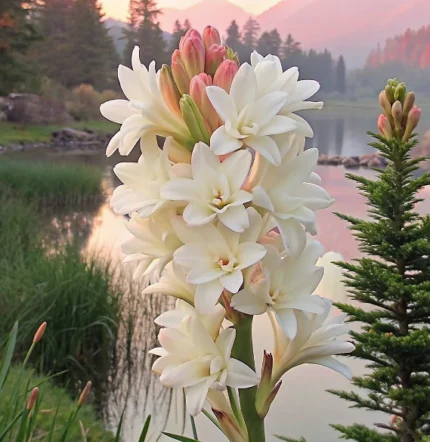
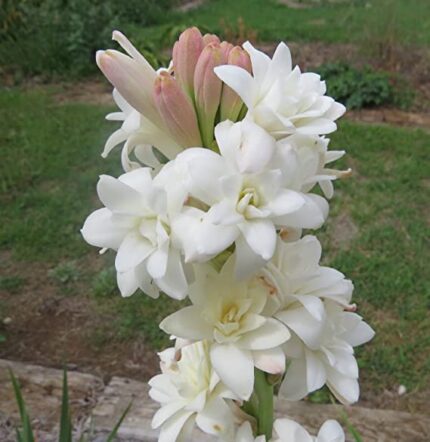
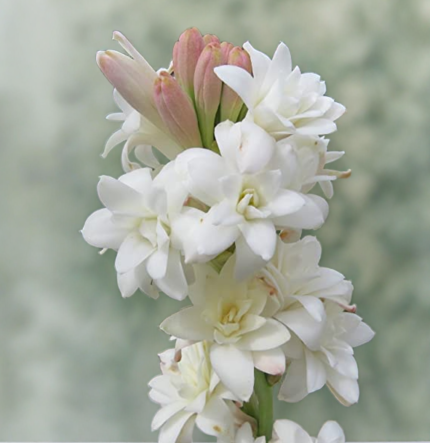
Tuberose is deeply woven into cultural traditions, widely known by its evocative names Rajnigandha or Nishigandha ("night fragrance"). These bulbs are highly valued for their intensely sweet, jasmine-like aroma that peaks after sunset.Key Features & Cultural Significance
- Traditional Uses: A staple in Indian weddings and festivals (like Diwali and Ganesh Chaturthi), the flowers are primarily used for making gajras, garlands, and floral ornaments.
- Variety Types:
- Single (Single Petal): Known for being more fragrant and containing higher essential oil content; ideal for garlands and perfume. Popular varieties include Shringar and Prajwal.
- Double (Multi-Petal): Favored for long-lasting cut flower spikes and home decor. Common varieties include Suvasini and Vaibhav.
- Variegated Varieties: Ornamental types like Swarna Rekha and Rajat Rekha feature unique yellow or silver-streaked leaves.
Planting & Care for the Indian Climate
- Best Planting Time:
- Plains: February to April (Spring) or July to August.
- Hills: April to May.
- Sunlight & Soil: Thrives in full sun (at least 6–8 hours daily). Requires fertile, well-draining sandy or loamy soil with a pH of 6.5–7.5.
- Planting Depth: Sow bulbs 5–7 cm (2–3 inches) deep and roughly 15–20 cm (6–8 inches) apart.
- Watering: Ensure regular watering during the growth phase, but avoid waterlogging, which can cause bulb rot. No irrigation is needed until bulbs begin to sprout.
Professional Tips
- Bulb Treatment: Before planting, treat bulbs with a fungicide like Bavistin (0.2%) for 30 minutes to prevent soil-borne diseases.
- Fertilization: Apply well-rotted Farmyard Manure (FYM) during soil preparation. For better blooming, use a balanced NPK fertilizer (e.g., 10-10-10) monthly during the growing season.
- Pest Control: Watch for Aphids and Thrips; these can be managed with neem oil or specific sprays if they appear.